Aviation Switching Module – NSN 4920-01-250-2696 (AS-IS / Untested): Aircraft Switching Equipment for Parts or Evaluation
Aviation Switching Module – NSN 4920-01-250-2696 (AS-IS / Untested): Aircraft Switching Equipment for Parts or Evaluation
Blog Article
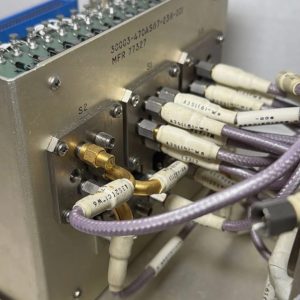
The Aviation Switching Module – NSN 4920-01-250-2696 (AS-IS / Untested) should be purchased with the understanding that no operational, calibration, serviceability, compatibility, or installation guarantee is being made.
An Aircraft Switching Module and Aerospace Switching Module should be treated as specialized equipment rather than universal components that can be connected to any aircraft electrical system.
The Aircraft Electrical Switching Module may route selected circuits, while the Aviation Electrical Control Module, Aircraft Power Switching Module, Aerospace Electrical Control Unit, and Aircraft Signal Switching Module terms should not be interpreted as confirmed functions without documentation.
Whether described as an Aviation Control Module, Aircraft Switching Unit, Aerospace Power Distribution Module, Aircraft Electrical Control Unit, or Aviation Power Control Module, the component should remain identified primarily by its NSN and physical markings.
Why NSN Verification Matters
The seller should provide clear photographs of every label, marking, connector, switch, control, mounting point, enclosure surface, and included accessory.
Military or aviation-surplus components may carry replacement numbers, superseded numbers, modification markings, or contract identifiers that assist research.
Buying an Untested Aviation Module
Internal faults, missing components, damaged wiring, corrosion, previous modification, storage deterioration, or electrical failure may be present even when the exterior appears clean.
An untested component should not be connected directly to aircraft wiring, expensive test equipment, batteries, laboratory supplies, or unknown power sources.
Aircraft Circuit Selection Equipment
Application accuracy protects buyers from assuming that a broadly named Aircraft Switching Module will fit their project.
Missing knobs, guards, labels, connectors, covers, or fasteners may reduce completeness.
Inspecting Aerospace Electrical Hardware
The enclosure should be inspected for dents, cracks, corrosion, missing screws, altered holes, broken seals, and unauthorized repairs.
Protective caps should remain installed during storage and shipping when available.
Electrical Switching Module Condition
A qualified technician should determine whether additional internal inspection is justified.
If the enclosure is opened for professional inspection, the process should be documented with photographs and organized hardware control.
Aviation Electrical Control Module Functions
Professional research should occur before any attempt to connect the Aviation Electrical Control Module.
Aggressive solvents, scraping, repainting, or polishing may remove original information.
Power Switching Module Inspection
Current capacity, voltage, duty cycle, contact type, protection requirements, and load characteristics should be confirmed before testing.
Missing covers or barriers may expose conductive points and increase handling risk.
Choosing an Aerospace Electrical Control Unit
An Aerospace Electrical Control Unit may combine switching, control, indication, interface, or distribution functions within one enclosed assembly.
Detailed records support the long-term value of the Aerospace Electrical Control Unit.
Signal Switching Module Inspection
Signal circuits can be sensitive to grounding, shielding, contact resistance, connector condition, and electromagnetic interference.
Missing or corroded bonding components may affect noise, interference, or reliability.
Professional Aviation Module Evaluation
A module removed from its original system can be difficult to test without supporting equipment and documentation.
Compatibility should be verified through NSN, part number, manufacturer, connector layout, revision level, modification status, and equipment application.
Commercial Value of an Untested Switching Unit
The unit can provide parts, reference information, display value, training opportunities, or a candidate for professional restoration.
Responsible educational use can extend the value of the Aircraft Switching Unit.
Aerospace Power Distribution Module Considerations
Power distribution equipment may use switches, relays, terminals, bus structures, circuit protection, and control interfaces depending on design.
The original installation orientation should be researched where possible.
Control Unit Connector and Switch Review
An Aircraft Electrical Control Unit should receive an organized inspection covering identification, enclosure condition, connectors, controls, labels, hardware, internal components, and signs of environmental exposure.
Limited testing should not be described as complete serviceability verification.
Choosing an Aviation Power Control Module
Broad market keywords can support discovery while the technical description remains precise.
Technicians should inspect for capacitors, transformers, relays, damaged insulation, or hazardous residues before opening or testing the unit.
Understanding an Aircraft Electronic Switching System
A systems approach supports more accurate troubleshooting and restoration.
Intermittent switching problems can result from worn contacts, damaged connectors, corrosion, weak relays, cracked solder joints, unstable power, or harness faults.
Preserving Military Aviation Equipment
The unit should not be stacked beneath heavy equipment or left on conductive surfaces.
Shipping should use cushioning that supports the enclosure while protecting protruding switches, connectors, controls, labels, and mounting points.
Aircraft Electrical Module Buying Considerations
The potential cost of connectors, manuals, test equipment, repairs, components, and specialist labor should be included in the buying decision.
Images should show labels, switches, connectors, enclosure surfaces, mounting points, fasteners, seals, internal areas if opened professionally, and included accessories.
NSN 4920-01-250-2696 Buying Checklist
The seller should disclose corrosion, missing parts, broken controls, damaged connectors, previous repairs, opened seals, burned areas, contamination, and signs of impact.
- Request photographs of all labels, switches, controls, connectors, mounting points, enclosure surfaces, seals, fasteners, and included accessories.
- Check for burned odors, melted material, arcing marks, water entry, chemical residue, and internal loose components where visible.
- Confirm the written invoice, AS-IS terms, payment protection, packaging method, shipping insurance, inspection period, and return conditions.
Aerospace Module Troubleshooting Process
A methodical process reduces the risk of damaging rare aviation equipment.
Initial evaluation may include mechanical switch checks, continuity testing, insulation inspection, resistance measurements, and examination for shorts or damaged components.
Documenting Aviation Electronics Restoration
Temporary substitutions should not become undocumented permanent repairs.
Photographs can document internal condition before and after work.
Aviation Switching Module Conclusion
The Aviation Switching Module – NSN 4920-01-250-2696 (AS-IS / Untested) can provide restoration, research, parts, training, collection, or professional evaluation value when its identity and condition are understood clearly.
An experienced aviation-electronics technician should assess the module before it is powered, installed, or connected to other equipment.
Whether the product is described as an Aerospace Switching Module Aircraft Switching Unit, Aerospace Power Distribution Module, Aircraft Electrical Control Unit, or Aviation Power Control Module, AS-IS limitations should remain clear.
With responsible purchasing, NSN research, connector protection, current-limited evaluation, and documented restoration, the component can remain a useful aviation asset.
Report this page